Daily Dog Routine for Busy Owners: Walk, Feed, Play, Repeat
A good dog routine should still work when your morning is rushed, your lunch break disappears, and the evening walk starts later than planned. That is where most people get stuck. They are not missing commitment. They are missing a routine that survives a normal workday. A daily dog routine for busy owners needs to be simple enough to repeat, but structured enough that the dog still gets movement, meals, and mental stimulation without the whole day feeling improvised.
Some dogs cope fine with a loose routine. Others really do not. A young lab who misses their usual play block may start inventing entertainment by 6 p.m. A fast eater can turn breakfast into a frantic sprint if mornings always feel chaotic. And a dog that gets only a rushed late walk may stay restless indoors long after you are done for the day. The goal is not perfection. The goal is creating a sequence that covers the essentials before the day drifts off course.
Morning Should Set the Tone, Not Start a Scramble
Busy owners often lose the day in the first hour. The dog wakes up ready to move, eat, and interact all at once. You are trying to get dressed, check messages, and leave the house on time.
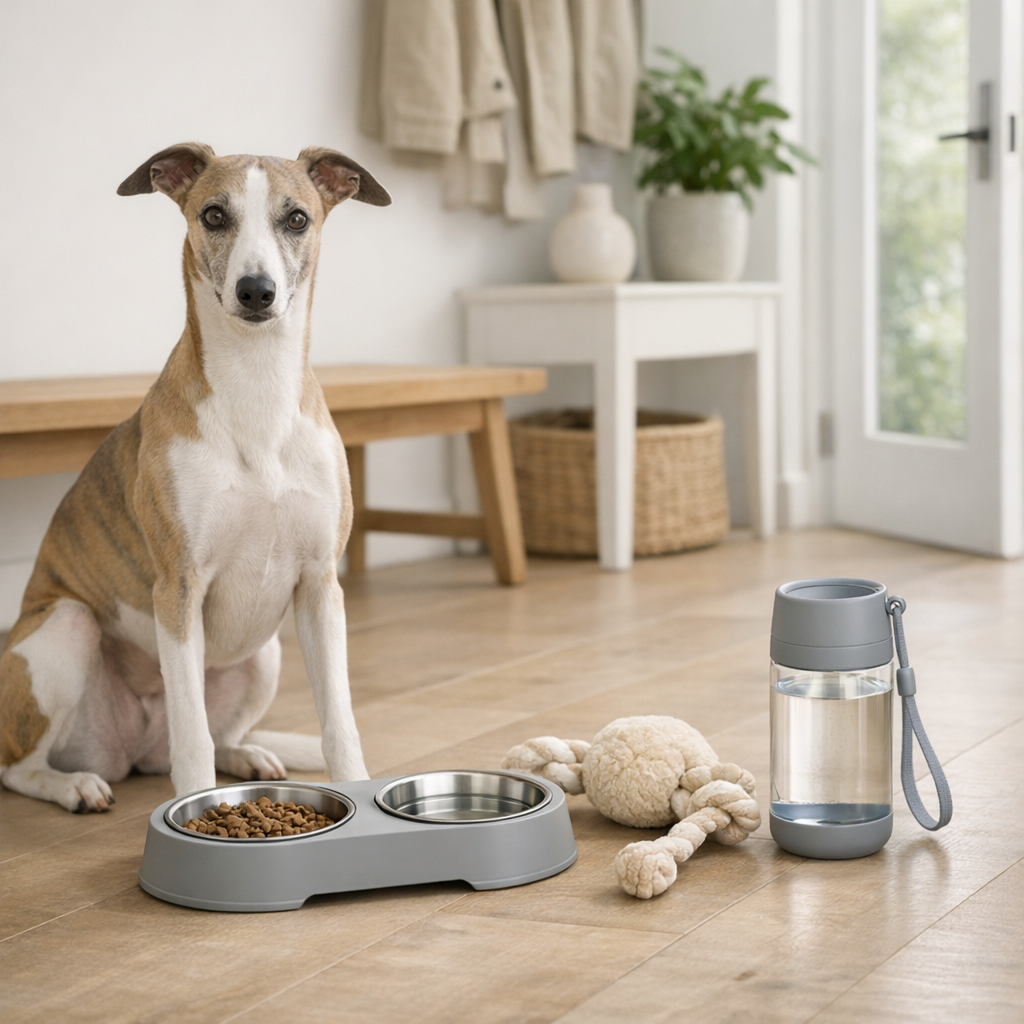
That is why the morning routine should be built around one calm walk block, one predictable feeding block, and as little decision-making as possible. If your dog tends to inhale meals, a dog slow feeder bowl can make breakfast feel much less frantic without adding extra work for you.
If mealtime pacing is already part of the challenge, our earlier guide on building a calm morning routine for fast-eating dogs fits naturally here.
For feeding setups more broadly, the feeding and health collection is the best-fit collection for this part of the day.
Midday Does Not Need to Be Big to Be Useful
A lot of owners assume midday care has to be a full walk or it barely counts. That is usually not true. For many households, midday works best as a smaller reset.
If you are home, that might mean a short potty break, water, and a few minutes of structured interaction. If you are not home, it may mean setting up the morning and evening better so the dog is not depending on a perfect midday window that rarely happens.
The mistake is ignoring the middle of the day completely and then expecting the evening to absorb all the dog’s unmet needs. A five-minute useful reset beats an ideal thirty-minute block that never materializes.
Evening Is Where Routines Usually Break
Most dogs still have something left in the tank after work hours. Most owners do not have much left in theirs.
That is why evening routines work better when you separate movement from chaos. A walk should happen, yes, but so should a clear decompression path once you come back inside. If the dog still looks restless after dinner, an interactive cat and dog ball toy can help create a short repeatable indoor play block without asking you to become a one-person agility class.
If your dog tends to turn extra evening energy into pacing, chewing, or “find something inappropriate and run,” our article on indoor play and destructive chewing is worth reading next.
For dogs that need more indoor variety, the indoor enrichment collection is the most relevant collection for this part of the routine.
Feeding, Walking, and Play Should Support Each Other
The best routines feel connected. A short morning walk makes breakfast calmer. A calmer breakfast makes the dog settle better while you start work. A structured evening play block makes the late hours smoother and reduces the chance that the dog starts creating their own entertainment.
When routines break, owners often try to fix each problem separately. Another toy for boredom. Another training cue for mealtime. Another rushed walk squeezed in too late. You usually get better results by asking how one part of the day is affecting the next.
If you want a practical example of cross-routine gear, our post on what pet parents actually need for a simpler daily care routine looks at the same idea from the essentials angle.
What a Realistic Weekday Routine Can Look Like
A realistic routine is not the most impressive one. It is the one you can still do on Tuesday.
- Morning: short walk, water, predictable meal, then a calm transition while you get moving.
- Midday: short reset if possible, or at least a plan that keeps the dog from borrowing all their stimulation from the evening.
- Evening: walk, dinner, and one small structured play or settle block instead of letting energy spill everywhere.
- Night: keep the last hour boring enough that the dog actually winds down.
This kind of routine is simple on purpose. It gives the dog enough pattern to feel secure without forcing you into a military timetable.
Practical Tips for Owners With Busy Schedules
- Keep the items you use daily in the place where the routine starts, not where they look tidy.
- Use one product that meaningfully improves breakfast, not five “helpful” extras.
- Treat evening indoor play as part of the routine, not only as a rescue plan when the dog is already bouncing off the walls.
- Build the routine around your real workday, not the one you wish you had.
- Adjust the length of blocks before you abandon the routine completely.
What a Better Routine Feels Like
You notice less friction. The dog is not demanding everything at once. Meals take less supervision. Evening energy is easier to steer. And you stop feeling like every day begins with catch-up.
A strong daily dog routine for busy owners does not make life rigid. It makes the repeated parts easier. That is what gives you enough space to be flexible when the day changes, because the essentials are already covered.
FAQ
What is the best daily dog routine for busy owners?
The best routine is one that consistently covers walks, meals, and indoor stimulation in a way that fits your actual weekday schedule, not an idealized one.
How long should a morning dog walk be on a workday?
It depends on the dog, but even a shorter focused walk is better than a rushed chaotic start with no structure at all.
Can indoor play replace a walk for busy owners?
Not entirely, but it can make evenings much smoother and help when outdoor time is shorter than usual.
How do I keep my dog calm when my schedule changes?
Keep the sequence familiar even if the timing shifts a little. Dogs often handle timing changes better than total routine chaos.
What should I fix first if my dog routine feels messy every day?
Start with the part that creates the most daily stress, usually breakfast, the after-work window, or the evening walk.
If your routine keeps breaking in the same place every day, fix that block first and let the rest build around it. See how the dog slow feeder bowl or an interactive ball toy can simplify the parts that usually go off track →