Morning vs Evening Dog Walks: Which Is Better for Your Routine?
Some owners swear by early walks because the dog starts the day calmer. Others rely on evening walks because mornings are rushed and work gets the best hours. If you are trying to decide between a morning vs evening dog walk routine, the honest answer is that neither is automatically better. The better option is the one that your dog actually gets consistently, with the fewest routine problems attached to it.
A brisk morning walk can help a busy young dog settle before the workday begins. An evening walk can become the release valve that resets the whole household after a long day indoors. But each option comes with tradeoffs: heat, light, timing pressure, traffic, and your own energy. The smartest routine is usually the one that matches your schedule, your dog’s temperament, and the real conditions of your neighborhood instead of an ideal version of dog ownership that only works once a week.
Morning Walks Usually Win on Fresh Energy and Cooler Conditions
Many dogs do well in the morning because the air is cooler, the streets are quieter, and the dog has not spent the whole day waiting for something to happen. That makes morning a strong option for high-energy dogs, fast eaters who need a calmer start, and dogs that struggle to settle while you begin work.
Morning walks can also help in warm seasons because pavement is usually cooler than it will be later. If you like combining a short walk with hydration or a quick errand stop, a dog water bottle and food container is still useful even on shorter weekday loops.
Our article on what to pack for a summer dog walk in hot weather connects well here because weather often changes whether morning becomes the clear winner.
For walk-related gear more broadly, the safety and walking collection is a good fit for this topic.
Evening Walks Usually Win on Time and Decompression
For many owners, evening is simply the first moment they can breathe. That matters. A theoretically perfect 6:30 a.m. walk is not better than a real 7:00 p.m. walk you can actually keep doing.
Evening walks can be especially useful for dogs that have spent a lot of time indoors and need a clean transition out of workday boredom. A solid evening walk often reduces pacing, whining, and late-day chaos inside the home.
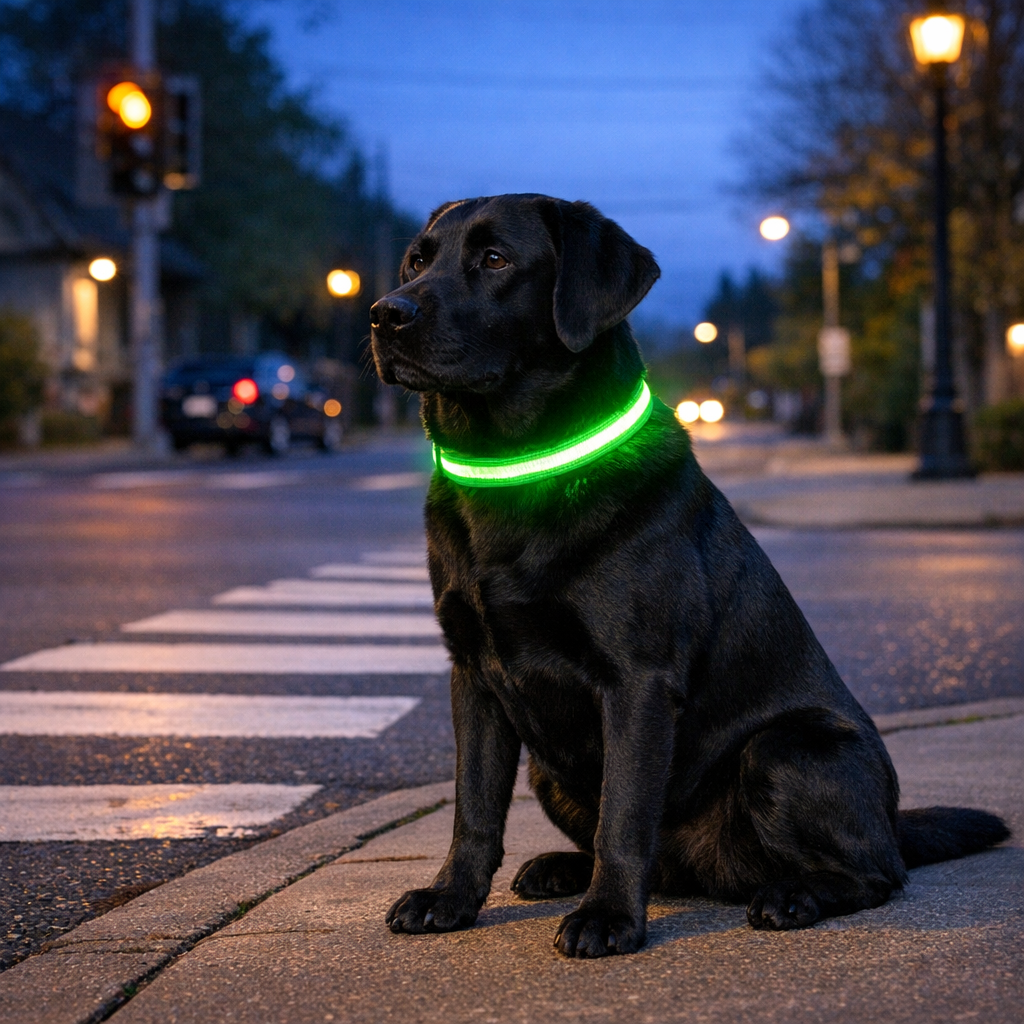
The downside is that evenings bring different risks: lower light, heavier sidewalks in some areas, and the temptation to walk later than ideal because the day ran long. If your routine regularly lands after dusk, a LED dog collar becomes much more relevant than it is for a bright morning loop.
If low-light walking is part of your reality, our post on evening walk safety checklists for busy pet parents is the natural next read.
Your Dog’s Personality Changes the Answer
A calm adult cavalier who happily sleeps through the morning may not need a major early outing. A young border collie mix pacing by the door at 7 a.m. is a different story.
Some dogs are sharpest and most responsive in the morning. Others look stiff, sleepy, or uninterested until they have been awake for a while. Some dogs struggle more with evening overstimulation because every passing light, smell, and dog encounter feels louder at the end of the day.
So the better question is not just “morning or evening?” It is “When does my dog get the most benefit from walking well?” That is the time window that deserves priority.
The Best Routine Is Often a Split Routine
You do not always need to choose only one. For many busy homes, the most stable setup is a shorter morning walk plus a fuller evening walk.
The morning walk handles the first burst of energy and gives the day a cleaner start. The evening walk handles decompression and a fuller chance to sniff, move, and settle later. This tends to work especially well for apartment dogs and owners with standard work hours.
If your life does not allow two meaningful outings every day, do not turn that into guilt. Just make the one main walk count and support the rest of the day with a smarter indoor routine.
Our recent article on daily dog routines for busy owners fits directly here because walking windows affect feeding and indoor behavior more than people expect.
What to Consider Before Choosing One as Your Main Walk
Weather and surface temperature
In hot months, morning often has a clear edge. In cold, dark seasons, evening may need better visibility gear.
Your work schedule
The best walk time is the one you can keep consistent without resenting it every day.
Your neighborhood
Some areas are calmer in the morning. Others are easier in the evening once traffic patterns shift.
Your dog’s energy pattern
Watch when your dog actually needs the walk most instead of choosing only by habit.
Practical Tips for Building the Right Walking Routine
- Test the same route at both times of day for a week and compare your dog’s behavior, not just your own preference.
- Choose morning if heat and pavement are becoming a problem later in the day.
- Choose evening if that is the only time you can walk without rushing the dog through the whole outing.
- Use a visible collar setup when evening walks regularly run into low light.
- If one long walk is unrealistic, split the routine into one short walk and one more useful one.
What “Better” Actually Looks Like
The better walk time is the one that leaves your dog more settled afterward and feels repeatable for you. Not just once. Repeatedly.
If the morning walk always feels like a frantic box to tick, it may not be the real solution even if morning looks good on paper. If the evening walk keeps happening too late and your dog stays keyed up inside, that matters too. The right routine should reduce friction, not add another daily argument with the clock.
And if your best routine includes regular twilight walks, the night walk essentials collection is worth keeping in mind because visibility can change the whole experience quickly.
FAQ
Is it better to walk a dog in the morning or evening?
It depends on your dog, your schedule, and conditions like heat, lighting, and traffic. The better walk is the one that is safest and most repeatable for your real routine.
Are morning walks better for high-energy dogs?
Often yes, because they can take the edge off early and help the dog settle more easily through the first half of the day.
Are evening walks better for busy owners?
They can be, especially if mornings are too rushed to give the dog a useful outing instead of a hurried one.
What if I can only do one proper walk a day?
Pick the time that gives your dog the most benefit and support the rest of the day with feeding structure and indoor enrichment.
Do I need special gear for evening walks?
If your walks regularly happen in low light, visible gear like an LED collar is a practical safety upgrade.
Try both time windows with the same route and watch which one actually makes the day easier for you and your dog. If evenings win, check how the LED dog collar fits into your real walking routine →